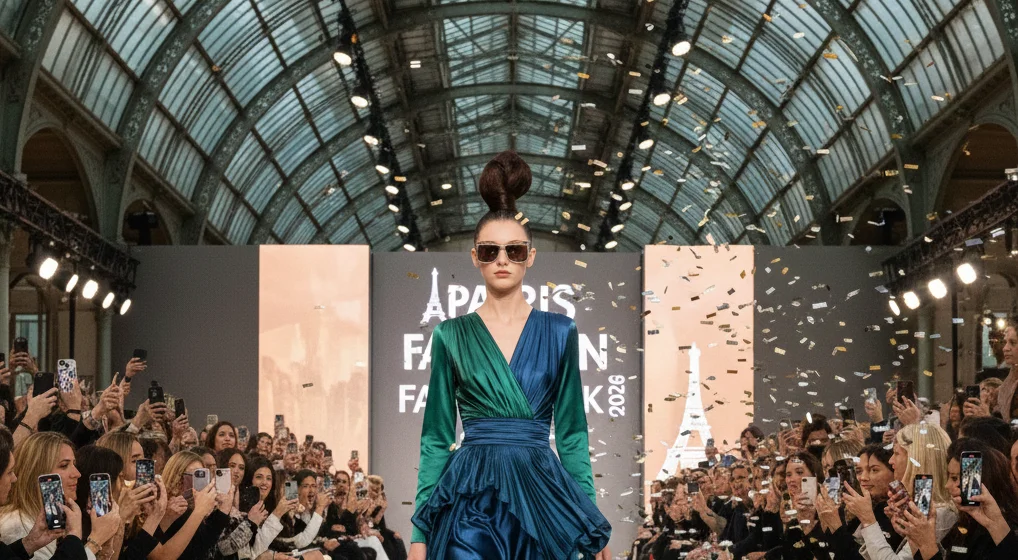

Two or Four Sessions? A Strategic Approach to Showing in Paris
August 25, 2026

Fashion Week has become a global industry. According to FashionUnited, there are now more than 100 fashion weeks held each year across Africa, Asia, Europe, the Americas, and Oceania. What was once a concentrated circuit has become a highly competitive international system, with cities fighting for relevance, buyers, media attention, and brand investment.
Fashion Week has become a global industry. According to FashionUnited, there are now more than 100 fashion weeks held each year across Africa, Asia, Europe, the Americas, and Oceania. What was once a concentrated circuit has become a highly competitive international system, with cities fighting for relevance, buyers, media attention, and brand investment.
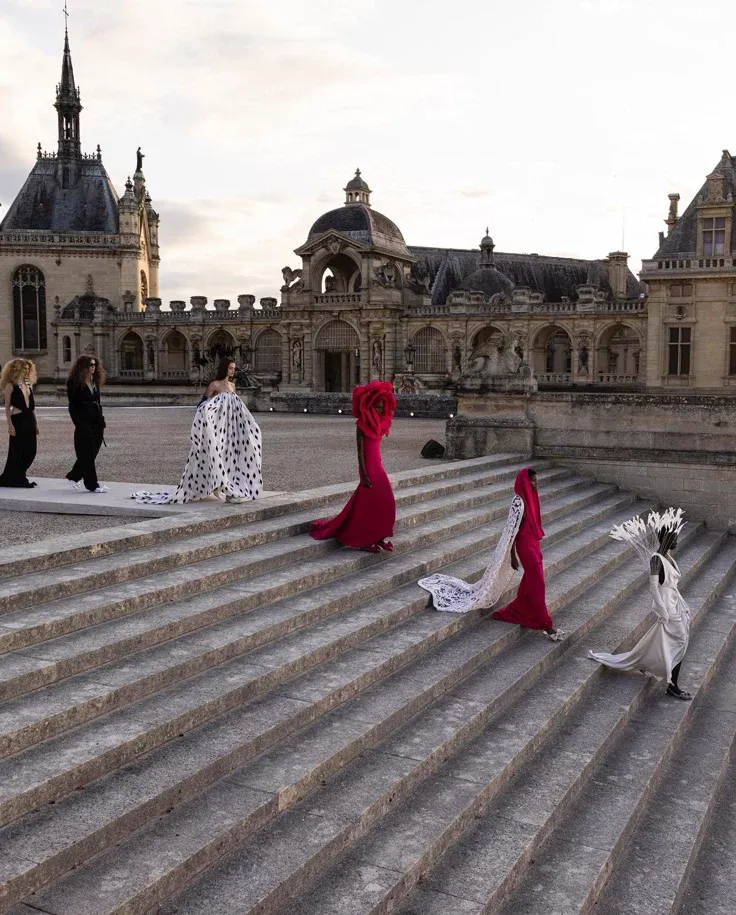
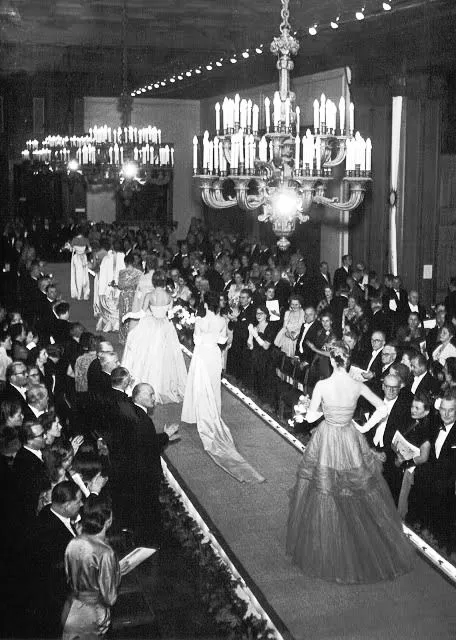
The hierarchy of fashion capitals was built over time. New York Fashion Week emerged in 1943, when publicist Eleanor Lambert organized "Press Week" during the German occupation of Paris. Milan formalized its calendar in 1958, building on Italy's strength in textiles, manufacturing, and luxury craftsmanship. London institutionalized its own Fashion Week in 1984, becoming the first city to officially use the term. Paris, however, remains the foundation of the system, both historically and symbolically.
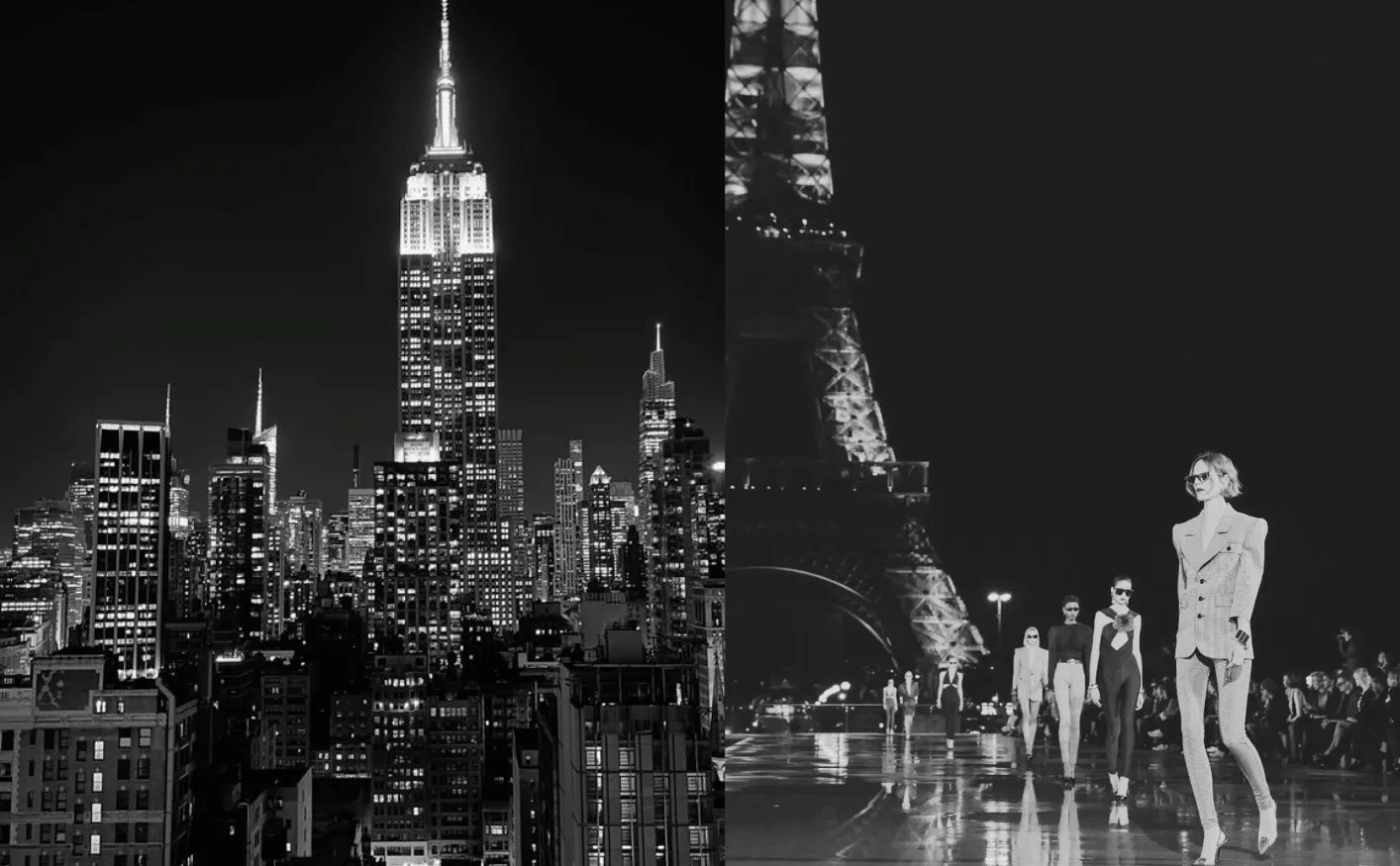
That is why the rivalry between fashion cities still matters. Paris versus New York has long represented the tension between heritage and commerce. New York is fast, market-driven, and media-oriented. Paris is more institutional, more symbolic, and more closely linked to couture and luxury authority. Milan adds a different form of competition: it brings industrial scale, craftsmanship, and the commercial power of Italian luxury groups.
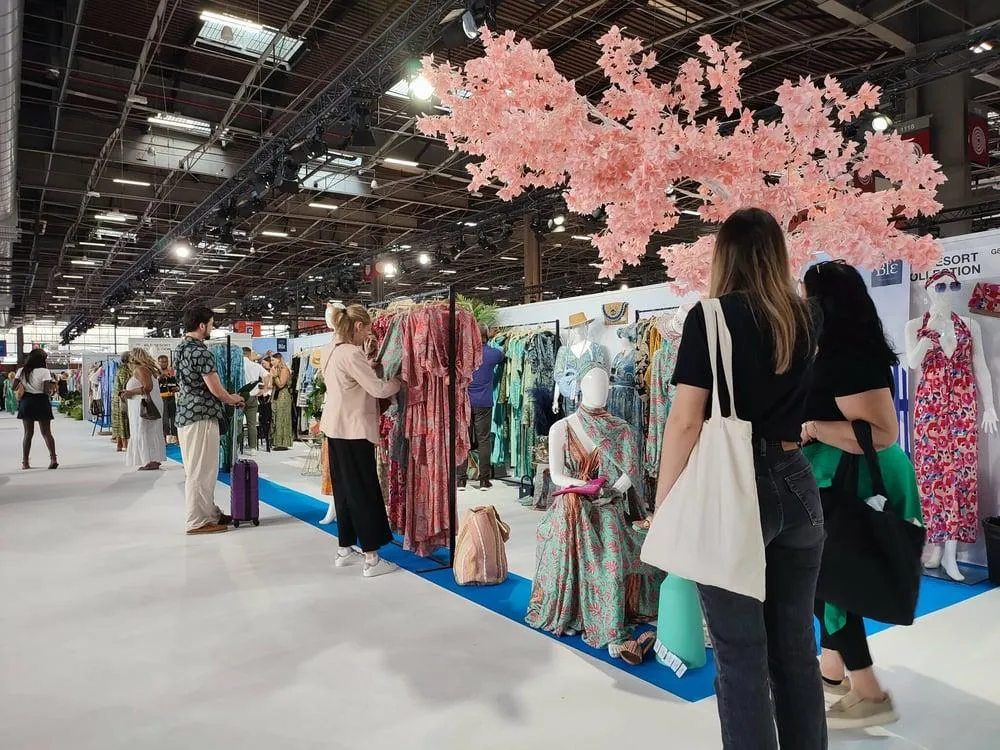
This competition is not only visible on the runway. It is also fought through showrooms, buyer appointments, trade presentations, and after-show events. In Paris, the commercial infrastructure around Fashion Week remains especially strong. That includes curated showrooms, off-calendar spaces, and strategic locations that allow brands to convert visibility into sales. For many labels, the real question is not just where to show, it is where to meet buyers, press, and decision-makers.
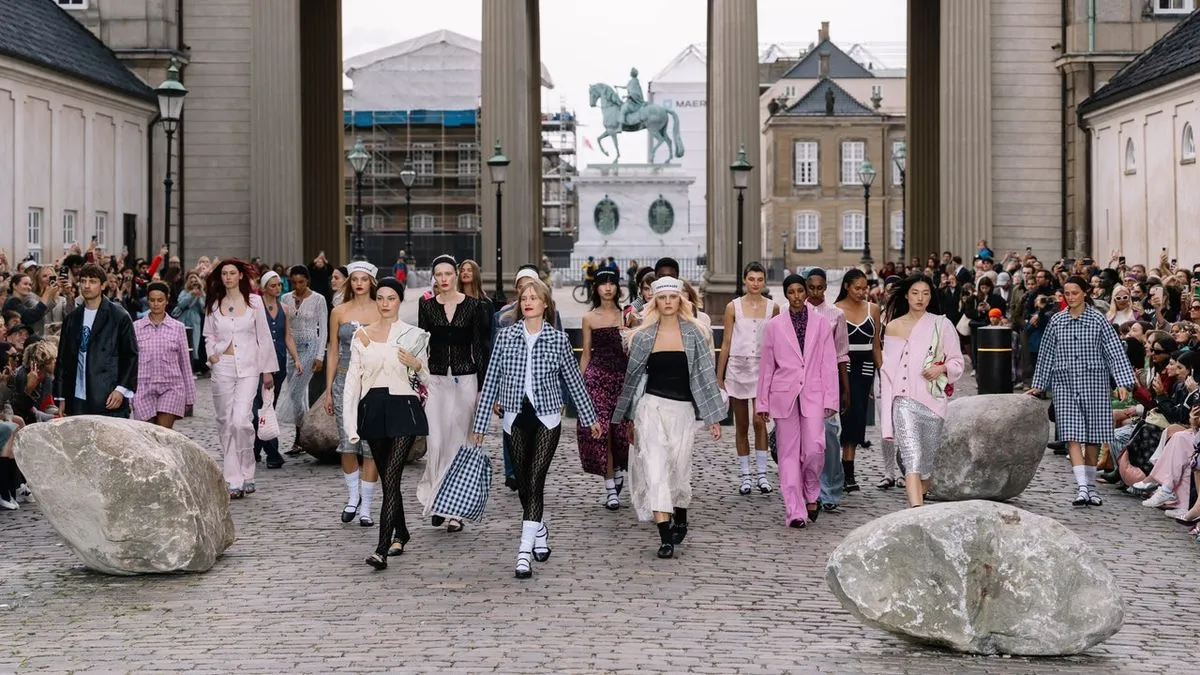
The cities trying to build momentum today, including Seoul, Copenhagen, Dubai, and Lagos are important because they represent the regionalization of fashion. Seoul has become a serious platform for Korean fashion and cultural influence. Copenhagen has established itself around sustainability and contemporary design. But even as these markets grow, they function more as complementary nodes than full substitutes for Paris.
That is why Paris still holds the strongest position in the Fashion Week hierarchy. It is not simply the city with the biggest heritage. It is the city where collections are validated, where commercial presence is amplified, and where fashion still carries the greatest symbolic weight. For brands, agencies, and showroom operators, Paris remains the reference point and the benchmark all others are measured against.