The Global Fashion Week Race: Can Any City Challenge Paris ?
18 mai 2026
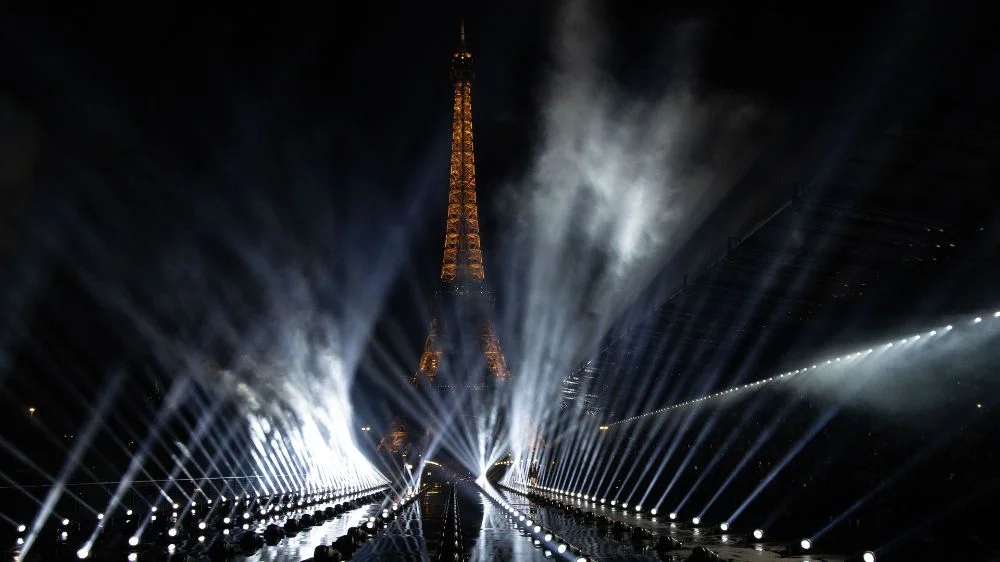
"You can create fashion everywhere in the world, but the place where you are crowned is Paris" - Sonia Rykiel.
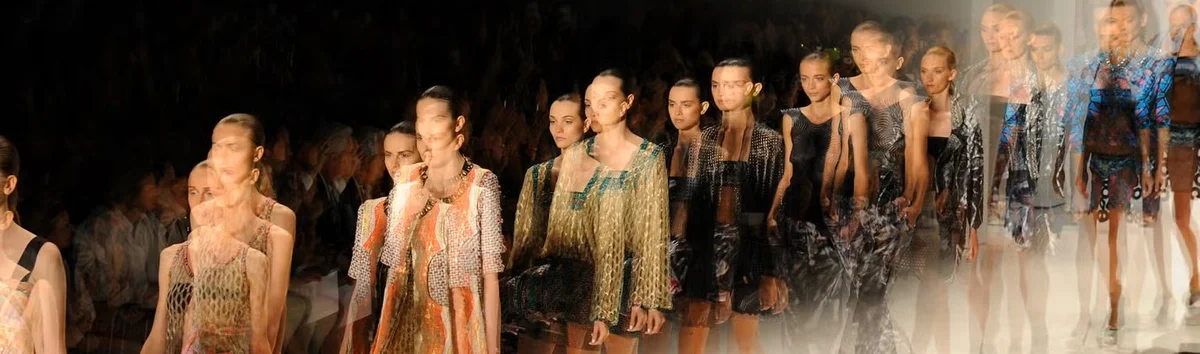
Paris Fashion Week remains the most influential moment on the global fashion calendar. In the womenswear Spring/Summer 2026 season, Paris hosted 70 runway shows and 38 presentations, confirming once again that it is still the city where collections are not only shown, but judged, bought, and validated.
“You can create fashion everywhere in the world, but the place where you are crowned is Paris”

That authority did not happen by accident. The modern fashion system took shape in Paris in the 1850s, when Charles Frederick Worth began staging seasonal presentations for private clients. By 1868, couture was already formally regulated under the Chambre Syndicale,
establishing the institutional framework that still defines Paris today. In 1973, prêt-à-porter was organized under what is now the Fédération de la Haute Couture et de la Mode (FHCM), giving Paris Fashion Week the structure it still relies on.

Paris is also the only city in France legally authorized to present Haute Couture collections.
That legal distinction gives the city a level of authority no other fashion capital can match. It is one of the reasons why brands such as Dior, Louis Vuitton, Chanel, Balenciaga, Rick Owens, and Maison Margiela continue to use Paris as their most strategic stage.
The city's strength is not limited to the runway. Paris Fashion Week is supported by a dense commercial ecosystem of buyers, press, stylists, ateliers, showrooms, and specialized venues. This is why Paris Fashion Week showrooms matter so much: they turn visibility into business.
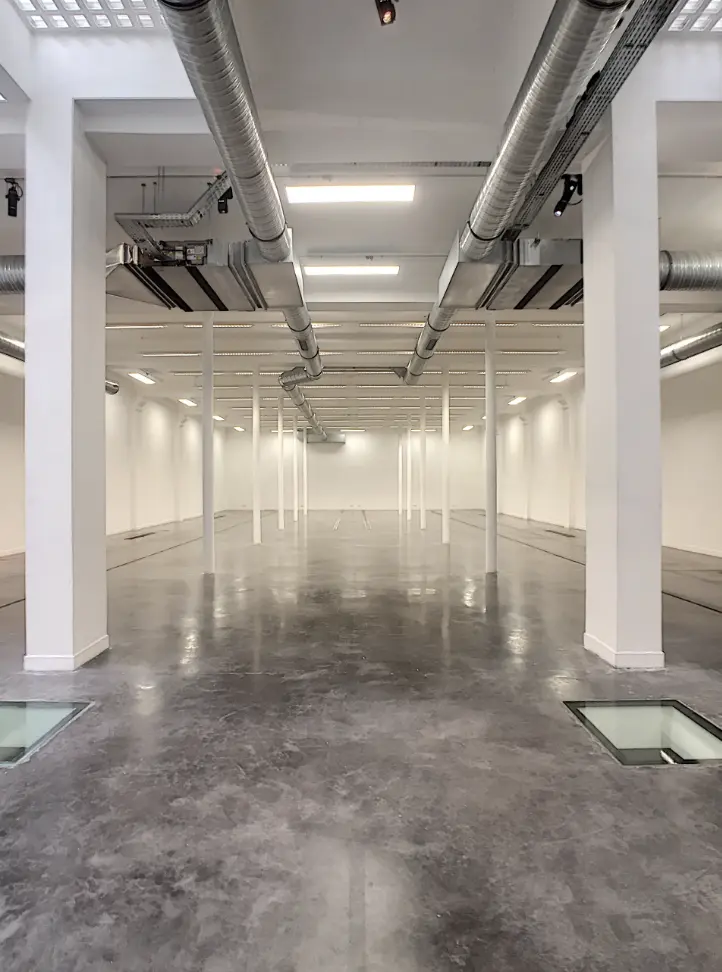
For many brands, the showroom is where the season is actually won. During PFW, thousands of temporary spaces are activated across the city - from historic hôtels particuliers to contemporary galleries - many of which operate exclusively for less than 10 days a year. The most sought-after venues are often booked months, sometimes a year, in advance, making early planning a decisive competitive advantage.

Paris also remains the city where fashion innovation gains legitimacy. When Coperni presented its spray-on dress, or when Rick Owens transformed the Palais de Tokyo into a theatrical
environment, the impact was amplified because the work happened in Paris. In this market, innovation does not sit outside the system — it becomes part of the system.

For brands planning a presence during PFW, the choice of venue in Paris is therefore a strategic decision. A strong showroom location, an effective presentation space, or a well-positioned after-show event can influence both commercial results and brand perception. In Paris, location is not just logistical. It is part of the message.